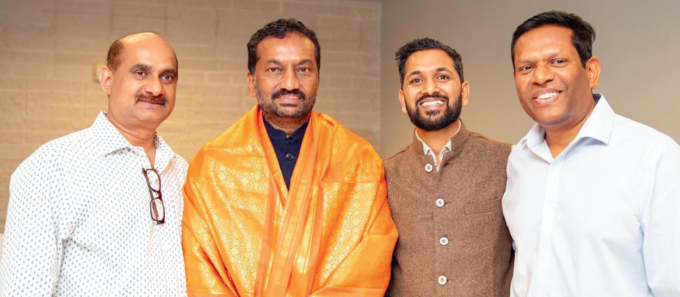


By Avinash Gavai
The Cockroach Janata Party’s future in India looks a lot more serious now that its pressure campaign helped force the resignation of the education minister, which is not exactly the kind of thing people expect from what started as a Gen Z meme-with-teeth. Over the past month, it has gone from online satire to a movement that actually extracted a political scalp, and that kind of momentum changes the conversation fast.
Strengths
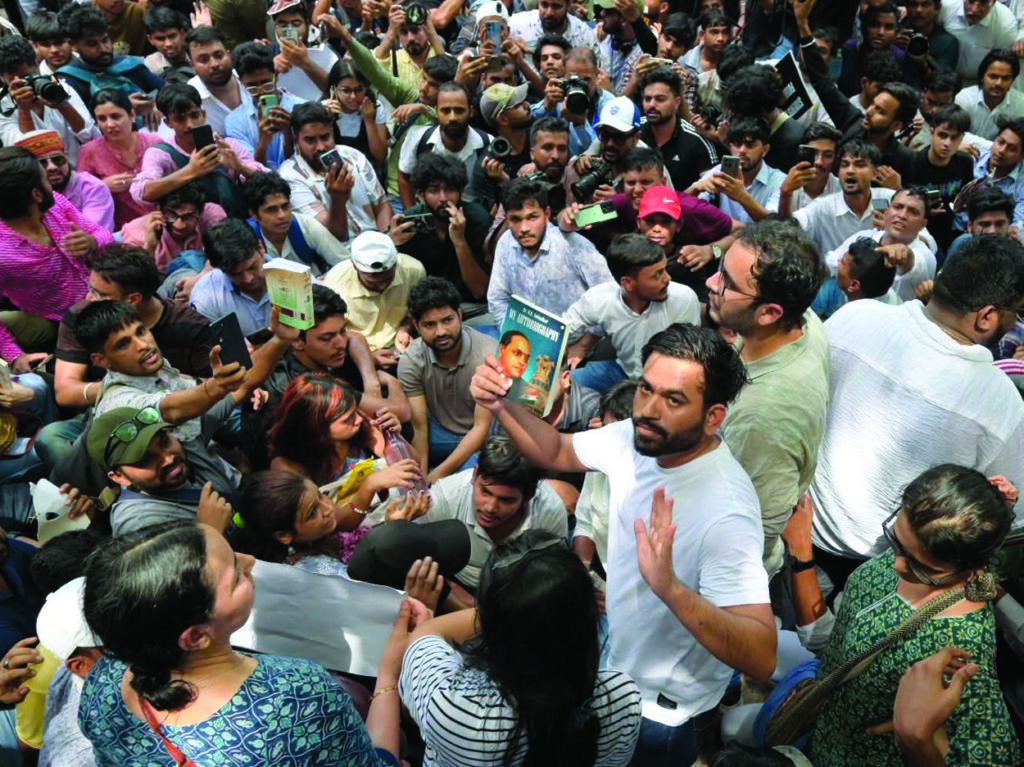
Its biggest strength is still attention, but now attention has consequences. A movement that can help topple a minister has already proven it can move beyond internet clout and into real political leverage. It also speaks the language of young, angry, digitally fluent Indians better than the usual polished party machinery ever will. That gives it cultural reach and emotional authenticity, which are hard to manufacture.
Weaknesses
Here’s the catch: India is not won on Instagram, and the Cockroach Party still looks far stronger in digital urban spaces than in the rural, booth-by-booth terrain that decides broader electoral outcomes. Reporting on the movement repeatedly notes that online popularity has not yet been matched by the kind of physical grassroots infrastructure needed for sustained political power. If it cannot move beyond city youth, campus networks, and protest circles, it risks becoming a metropolitan mood rather than a national force. In plain English: great at going viral, less great at getting village-level traction.
Let’s also bear in mind that a protest victory is not the same thing as a governing model. The movement still risks being more effective at disruption than at building durable institutions, which is a fancy way of saying it knows how to break a system before it has shown it can run one. If it stays too loose or too dependent on outrage cycles, the hype could evaporate once the next scandal or meme comes along. Winning a resignation is impressive; building a party that can survive the boring middle is harder.
Opportunities
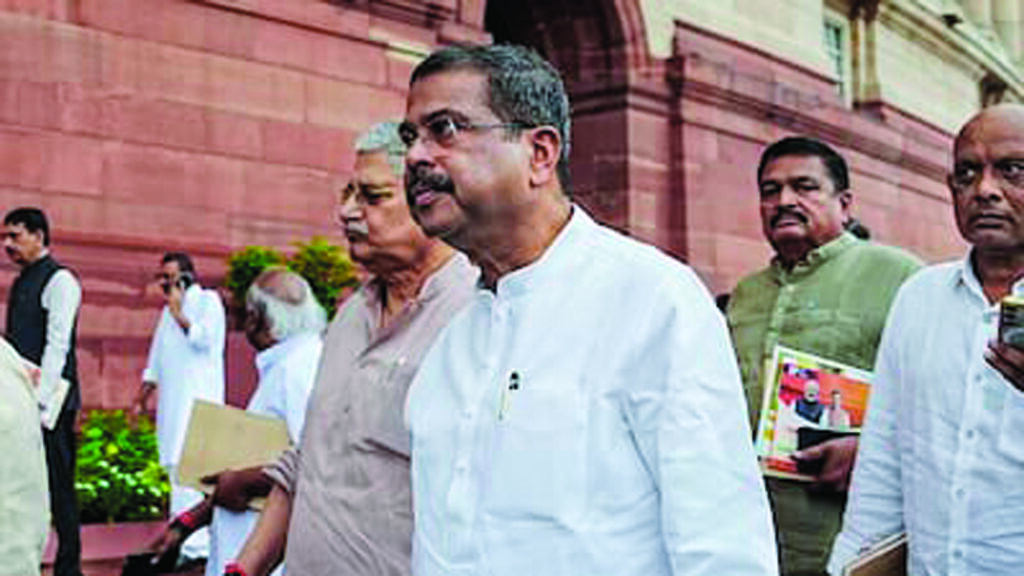
The last two weeks have created a window for it to turn outrage into structure. If it can channel the energy around education, unemployment, and corruption into local organizing and a clearer platform, it could become a real youth force instead of just a very viral protest brand. That would let it pressure mainstream parties, recruit serious activists, and keep the issue agenda focused on young people’s grievances. In the best case, it becomes a permanent nuisance to the political class, which is sometimes how real change starts.
Threats
Success also makes it a target. The more it proves it can embarrass the establishment, the more likely it is to face co-option, suppression, or just bureaucratic sandblasting until the shine wears off. There is also the classic movement problem of overreach: once a protest group starts tasting wins, it may confuse momentum with permanence. And if it cannot translate the minister’s resignation into a broader program, the establishment will happily frame it as a one-off freak event rather than the beginning of a new political era.
Likely trajectory
The most likely path is that it remains a powerful youth movement, at least in the short to medium-term, with periodic bursts of influence rather than becoming a conventional party overnight. But the resignation changed the stakes: now it is not just a joke with followers, it is a force that can force concessions. That means the real test over the next few months is whether it can convert shock value into staying power. If it does, Indian politics, particularly in the urban dimension, may have to get used to a new kind of chaos.
Avinash Gavai is Indo-American News correspondent in Mumbai.