
HOUSTON: U.S. Citizenship and Immigration Services (USCIS) issued a new policy memorandum on November 4, 2026, detailing how the agency will evaluate the Good Moral Character requirement for individuals applying for naturalization (citizenship).
WASHINGTON DC: Good Moral Character is a fundamental requirement for naturalization. While the review typically covers the three-year or five-year period preceding an application, the new guidance clarifies that conduct outside of this window may still be considered if it remains relevant to an applicant’s current character. This includes past tax-related issues or instances of public benefits fraud.
The updated policy places significant focus on financial responsibilities. USCIS will examine whether applicants have fulfilled obligations toward children or other dependents. The agency noted that while financial difficulties or the lawful receipt of government assistance do not automatically disqualify an applicant, evidence of deliberate refusal to provide support despite having sufficient resources may negatively impact a case. USCIS is required to consider extenuating circumstances for those who genuinely cannot afford to provide such support.
Furthermore, the guidance addresses the use of government benefits. USCIS may investigate whether an applicant provided false income information, misrepresented household size, or failed to report changes in eligibility. The agency also highlighted that failing to report extended travel outside the United States, which can affect eligibility for certain benefits like Supplemental Security Income (SSI), may raise questions during the naturalization process.
Sponsorship obligations are also under scrutiny. Under the new guidance, USCIS may examine whether an applicant who previously sponsored a family member for permanent residence via an Affidavit of Support failed to fulfill those legally enforceable financial obligations. If a sponsor did not provide the required support, this may be considered during the review of their citizenship application.
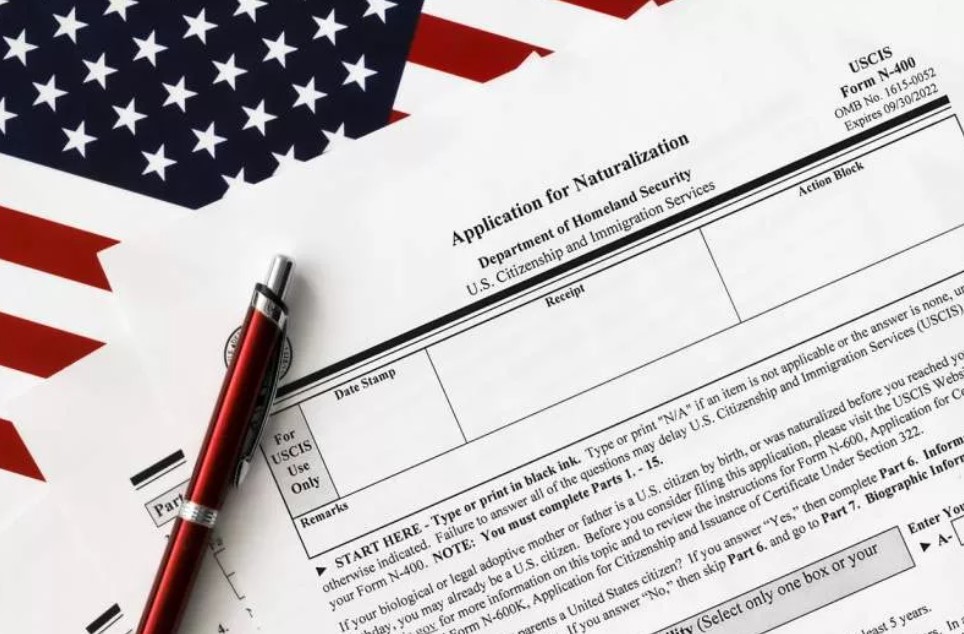
To implement these changes, USCIS plans to revise Form N-400 to collect more detailed information regarding applicants’ financial responsibilities, support of dependents, and history with government benefits. The agency also intends to issue further guidance to its immigration officers. Applicants are encouraged to be aware that the naturalization process involves a comprehensive review of financial and legal history beyond basic residency requirements. USCIS emphasized that it will evaluate each applicant’s individual circumstances rather than issuing automatic denials based on poverty or disability.
Next story




Readers say
Plain words and emoji. No links. Your email is checked once and never shown.